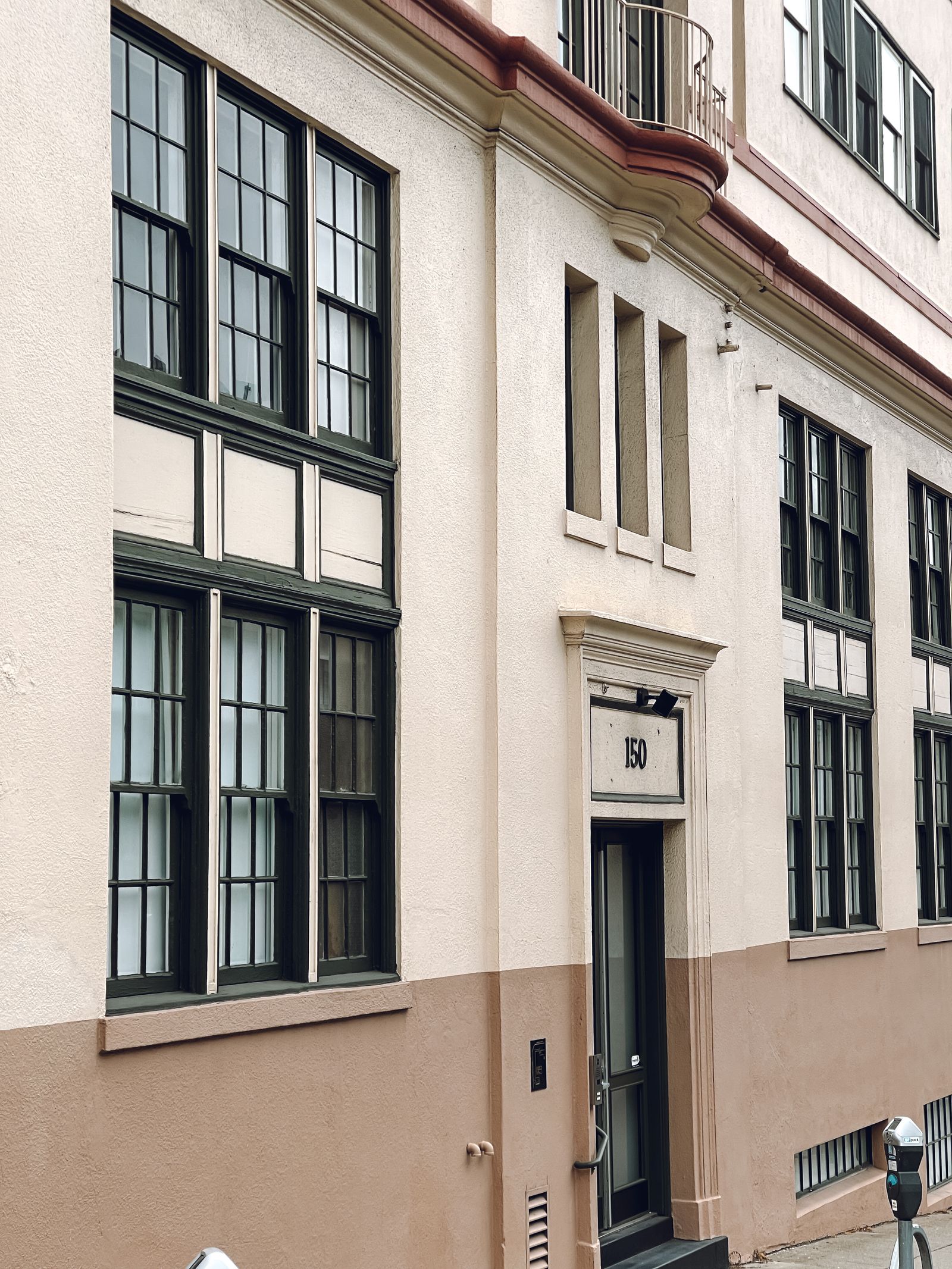
Start with the Spokane facade and the soil it actually carries
Spokane commercial buildings commonly combine painted concrete, brick, block, stucco, EIFS, precast panels, glass, aluminum, stone, canopies, signs, and rooftop equipment. A Downtown building near Riverside Avenue may have pedestrian traffic, storefronts, parking structures, and older masonry details at the same elevation. A North Spokane property along Division Street may have roadway dust and high-speed retail activity. Spokane Valley buildings near Sprague Avenue can combine large wall fields, loading areas, tenant entrances, and broad parking lots. The first review separates algae, mildew, pollen, traffic film, soil, soot, smoke residue, mineral deposits, oxidation, coating failure, and water damage instead of treating every dark area as washable dirt.
Soft washing can be a good fit for compatible organic growth and atmospheric film on tested surfaces, but it does not repair cracked masonry, failed sealants, spalled concrete, coating failure, corrosion, leaks, or moisture behind a wall. A test area is especially useful when a building has several paint systems, older repairs, decorative brick, sensitive landscaping, or a hospitality standard that requires a predictable appearance. The quote should identify the intended improvement and keep glass polishing, hard-water removal, oxidation treatment, restoration, and repairs as separate scopes when needed.
- Map brick, block, stucco, EIFS, concrete, glass, metal, stone, joints, and coatings.
- Distinguish dust, smoke film, biological growth, mineral deposits, oxidation, and damage.
- Set different finish expectations for public-facing, tenant-facing, loading, and rooftop elevations.
- Keep leaks, failed sealants, corrosion, and structural concerns outside routine washing.
Plan for Spokane hospitals, campuses, offices, and hospitality
Spokane properties are rarely empty when exterior work is scheduled. Healthcare campuses and clinics need patient routes, ambulance access, air-intake awareness, quiet coordination, and clear communication with facilities staff. Gonzaga and nearby education properties may have class changes, athletic events, residence halls, and pedestrian movement that shift throughout the day. Downtown offices and Riverfront-adjacent properties may need work sequenced around employees, visitors, parking garages, restaurants, and public sidewalks. Hotels, conference venues, and retail centers add arrivals, loading windows, outdoor dining, deliveries, and an appearance standard that continues during the work.
A workable plan begins with the property calendar. Ask about visitor peaks, resident or tenant notices, school breaks, clinic traffic, event days, loading windows, quiet hours, security, and the person authorized to pause the operation. Phased elevations can keep an ADA route, lobby, emergency lane, delivery door, or customer entrance open. Barriers, signs, spotters, hose routing, air-intake protection, and a dry handback inspection belong in the quote rather than being improvised after equipment arrives.
Account for snow, freeze-thaw, dust, and smoke residue
Spokane's cold season changes exterior cleaning decisions. Freeze-thaw cycles can turn residual water into an operational hazard, affect dwell and rinse timing, and expose existing cracks or failed joints that should be referred for repair. Snow storage can leave grit and dirty meltwater against lower walls, entrances, curbs, and parking structures. Deicing material and winter traffic can contribute to deposits near garage ramps, loading zones, and sidewalk approaches. Work windows should allow a controlled finish, safe pedestrian surfaces, and enough time for the property team to inspect before temperatures drop.
Summer dust and regional wildfire smoke can leave a gray or brown film on glass, painted panels, canopies, signs, and mechanical screens. Smoke residue is not identical to algae or mildew, and ordinary rinsing may not remove every bonded deposit. Wind can move dust, chemistry, and spray beyond the planned zone. A good proposal states temperature, wind, precipitation, surface, and drying limits, then identifies whether a test area, lower-pressure rinse, specialty treatment, or contact detailing is more appropriate. No cleaning process can prevent future dust or smoke from settling on an exposed building.
Evaluate drone access against Spokane conditions
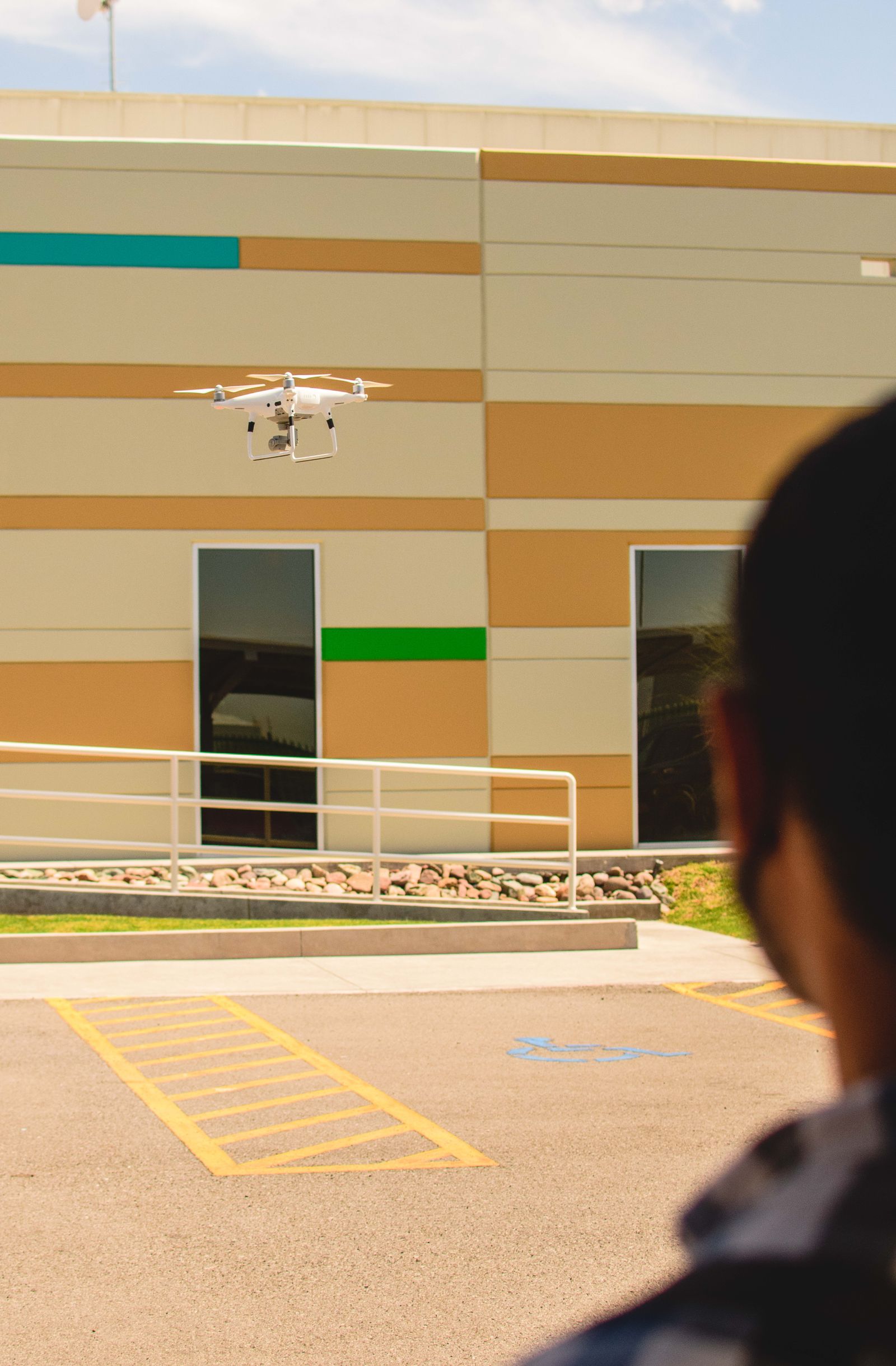
Drone-assisted application or rinsing may support broad upper wall fields when temperature, wind, line of sight, stand-off distance, launch and recovery space, water access, and ground controls are workable. It is not a promise that every elevation can be cleaned from the air. Rooftop equipment, power lines, trees, narrow service drives, active sidewalks, balconies, neighboring buildings, and a detailed finish standard can limit the method. Entrances, frames, ledges, awnings, signage, bonded residue, and areas needing brushing may still require a lift, water-fed pole, roof access, or controlled hand work.
Commercial drone work must follow applicable Federal Aviation Administration requirements and any authorization needed for the address and date. Spokane International Airport, Felts Field, medical helicopter operations, public events, utilities, and temporary restrictions can affect an aerial plan. A credible proposal identifies the elevations where aerial support is expected to help, the public separation plan, spotters, communications, emergency stop process, weather limits, and the alternate method if conditions change. A hybrid scope can use aerial support for compatible upper walls, contact work at entrances and detail zones, and a separate process for deposits that ordinary washing will not remove.
Protect Spokane landscaping, stormwater, and public routes
A Spokane property may have sloped drives, catch basins, landscaped medians, irrigation heads, snow-storage areas, parking structures, river-adjacent drainage, loading lanes, and low points close to the building. Rinse water and removed soil can move from an upper wall to a sidewalk, lobby threshold, planter, storm drain, neighboring tenant, or vehicle lane. Before work starts, map drains, doors, air intakes, cameras, vehicles, planting beds, pedestrian routes, delivery doors, and places where hoses or barriers could interfere with operations. Confirm water access, staging, weather limits, and the person who can stop work if runoff changes direction.
The right controls depend on the products, soil removed, rinse volume, slope, surface temperature, drainage, and property rules. They may include plant protection, diversion, collection, recovery, reduced rinse volume, filtration, or coordination with the responsible authority. A visible catch basin is not automatic permission to discharge wash water. Closeout should leave public routes dry, document completed elevations, note remaining deposits or repairs, and record weather or access changes so the facilities team has a useful maintenance history.
- Locate catch basins, low points, snow storage, landscaping, air intakes, and public routes.
- Confirm water source, hose paths, barriers, irrigation status, deliveries, and emergency access.
- State water-management assumptions and the stop condition if runoff or weather changes.
- Photograph finished zones and document deposits, damage, or contact-cleaning needs.
Request a Spokane quote tied to the building
A useful commercial proposal should identify service zones, materials, visible soil, method by elevation, access approach, water assumptions, temperature and weather limits, occupied-site controls, intended finish, exclusions, and closeout documentation. Broad facade washing should be separated from high-detail glass, hard-water residue, smoke or construction film, oxidation, canopy detailing, coating work, and repairs. If aerial assistance is proposed, the scope should say where it is expected to help and which backup method applies if wind, temperature, airspace, public activity, or finish requirements change.
Send the Spokane property address, wide and close photos, approximate height, priority elevations, known materials, desired result, preferred dates, water access, drainage concerns, and restrictions related to patients, students, tenants, guests, customers, deliveries, events, or security. Those details help determine whether a remote review, site visit, test area, or hybrid plan should come next. Call +1 239-351-2897, email contact@dronebuildingcleaners.com, or use the quote form to get in touch.